Our evidence-based approach combines community interventions, training, research, and advocacy to break cycles of violence and build lasting peace.
The Living Peace approach is rooted in the local culture of Barza, groups of wise men resolving community problems. Active engagement of community leaders and community members as group facilitators in all phases of the implementation strongly contributes to participation of men and their families.
Living Peace Institute's approach combines community interventions, training, research, and advocacy to create lasting change.
Therapeutic sessions targeting men and boys, next to women and girls in communities affected by conflict
Learn more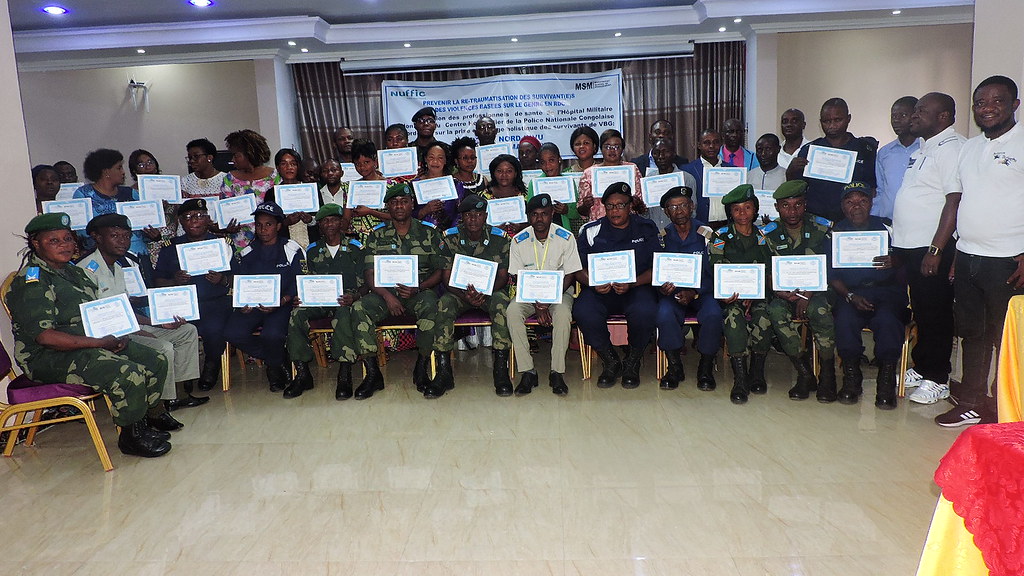
Training programs highlighting local context, lived realities, and culture in providing MHPSS programs
Learn more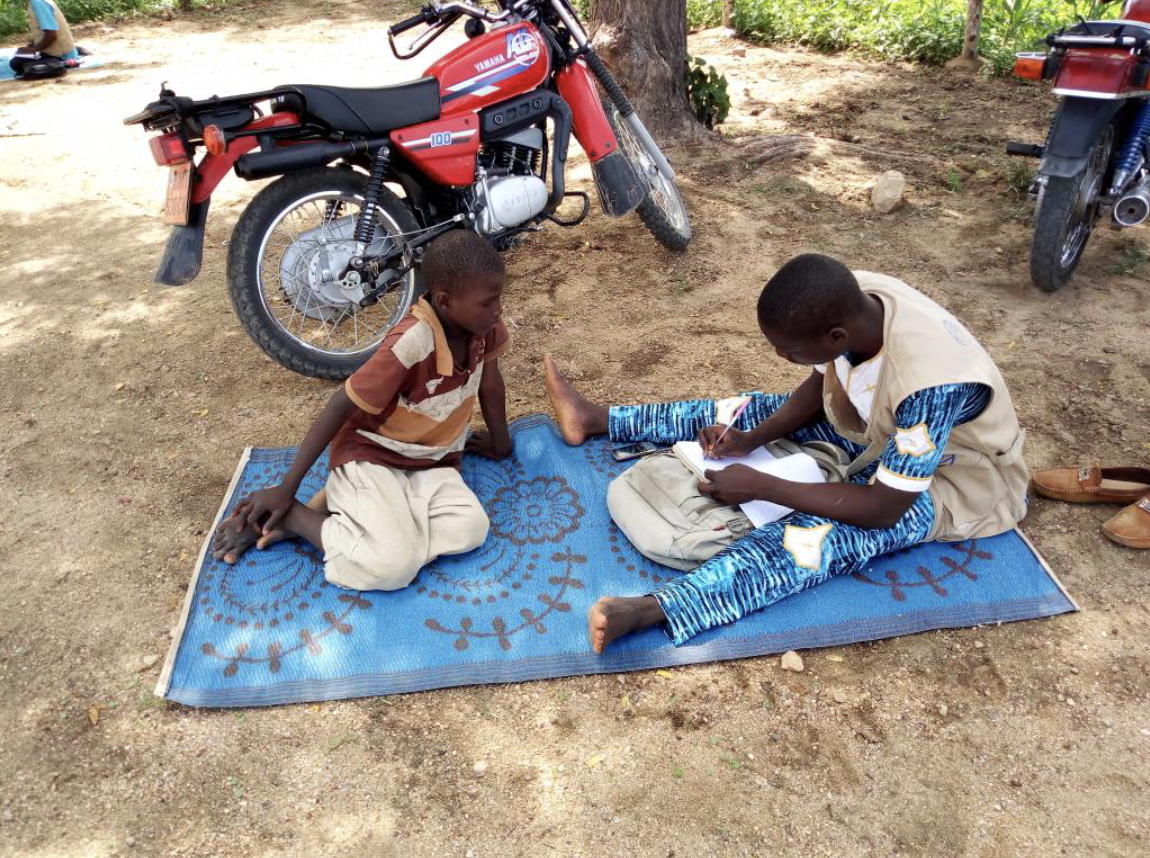
Evidence-based methodology development and impact evaluations
Learn more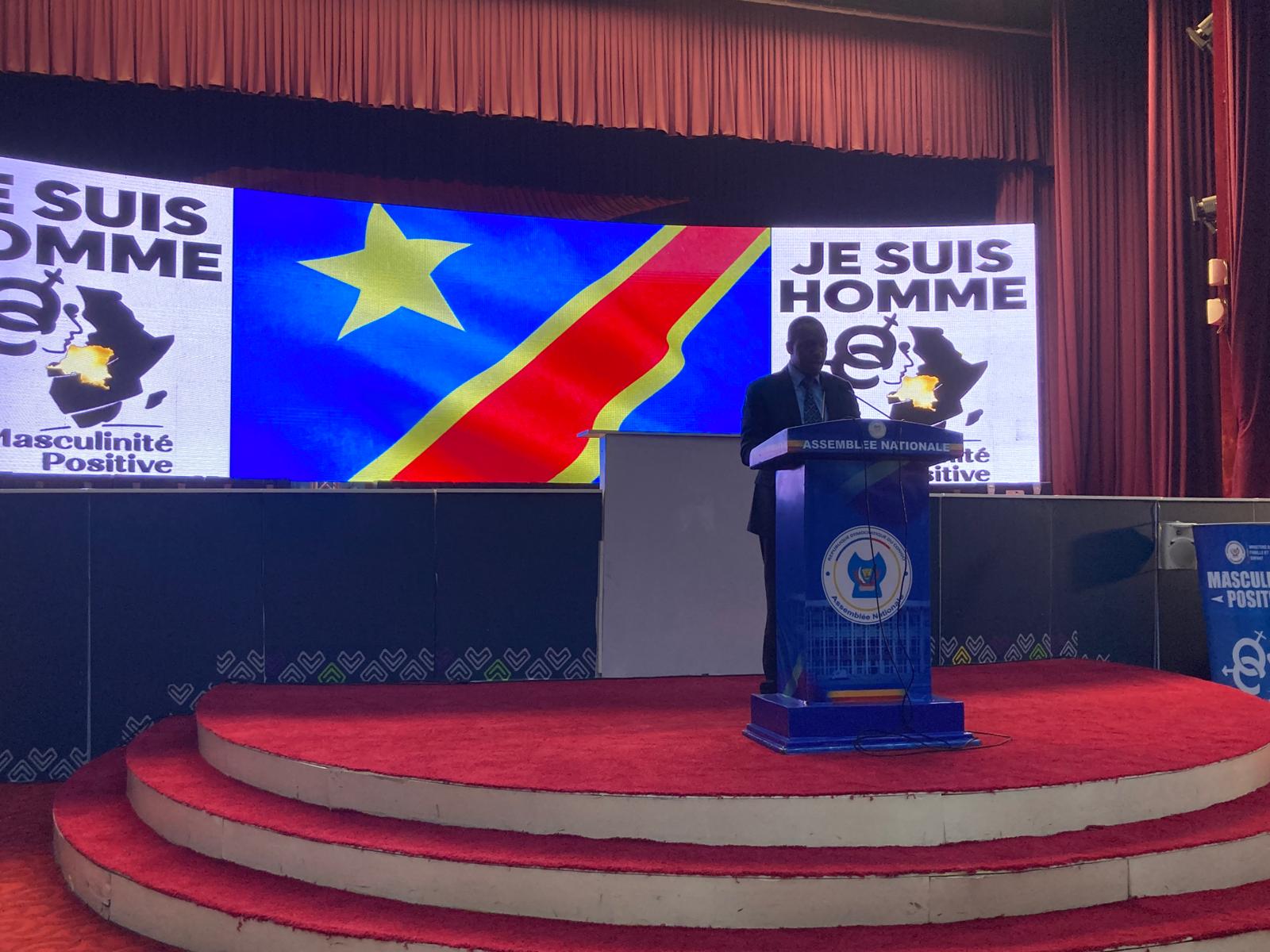
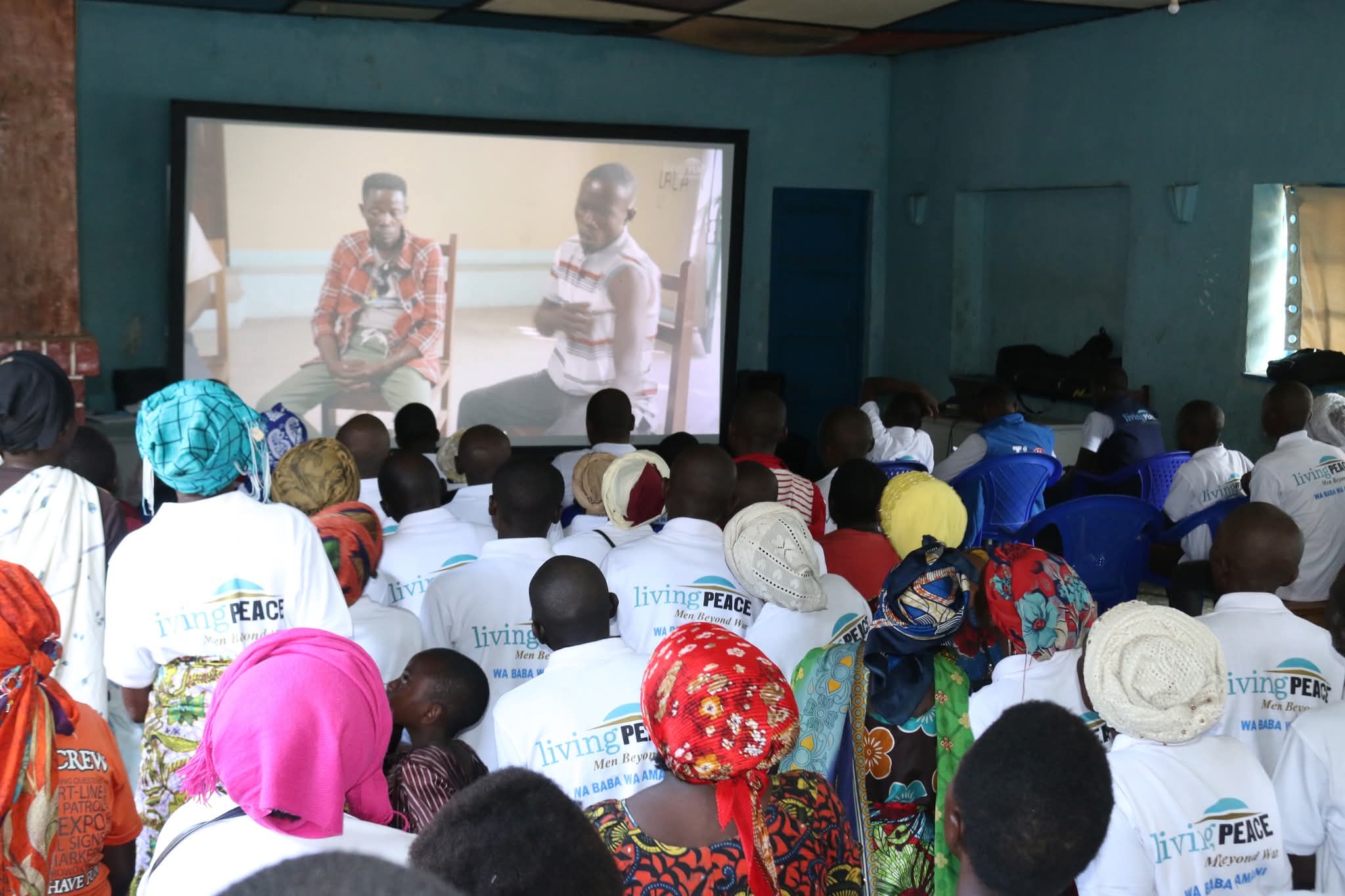
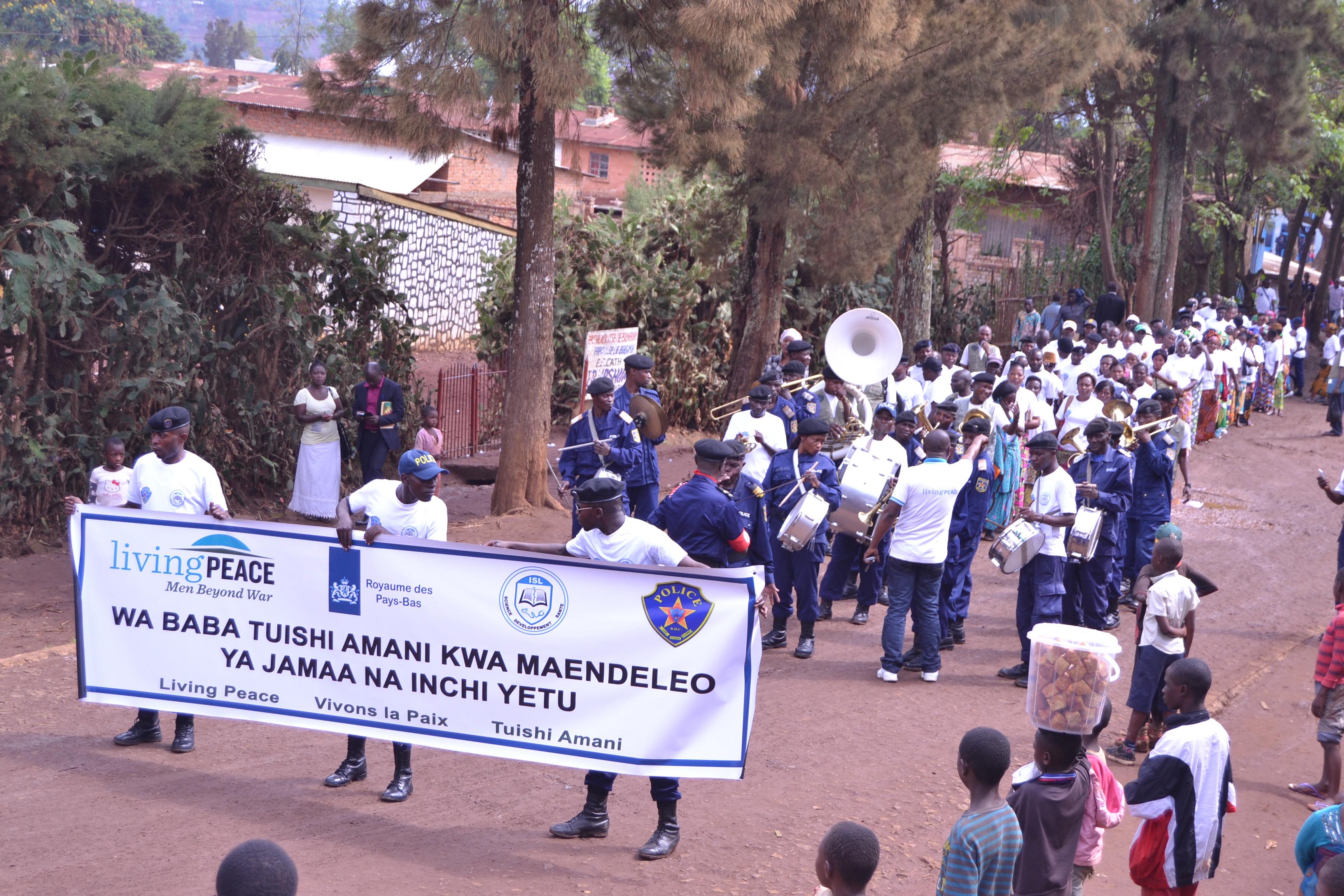
Mobile Cinema and campaigns to promote positive masculinity and enable peacebuilding
Learn moreTherapeutic sessions targetting men and boys, next to women and girls in communities affected by conflict.
The Living Peace approach is rooted in the local culture of Barza, groups of wise men resolving community problems. Active engagement of community leaders and community members as group facilitators in all phases of the implementation strongly contributes to participation of men and their families.
Boys and girls (12–21 years), including former child soldiers, youth in gangs, and youth in IDP camps. Parents are actively engaged through dedicated groups. Programs address school-based violence, SGBV, trauma, and prevent youth from joining armed groups.
Women and men in high-risk conflict zones, including SGBV survivors, IDPs, and men at risk of engaging in violence. Programs reduce stigmatisation, empower self-agency, and promote non-violent coping strategies and positive reintegration in families and communities.
Men in military and police forces in North and South Kivu, healing from traumatic experiences, preventing SGBV, and promoting positive masculinity to improve relations with communities. Also serving wives of men in security forces to break cycles of violence.
Male ex-combatants during or after the DDR process in North Kivu, reducing severe trauma symptoms, preventing return to armed groups, and guiding reintegration in community and family. Also serving women ex-combatants to heal from traumatic experiences.
The Living Peace Academy program is built on LPI’s extensive experience of working in a conflict affected context. The programs highlight the role of local context, lived realties, and culture in providing MHPSS programs. Living Peace academy works with rosters of local MHPSS professionals and trainers, who are speaking the language of the target groups.
For more than 10 years, LPI has developed strong expertise in conducting action research in conflict-affected areas, enabling the organization to adapt and contextualize methodologies for effective local implementation.
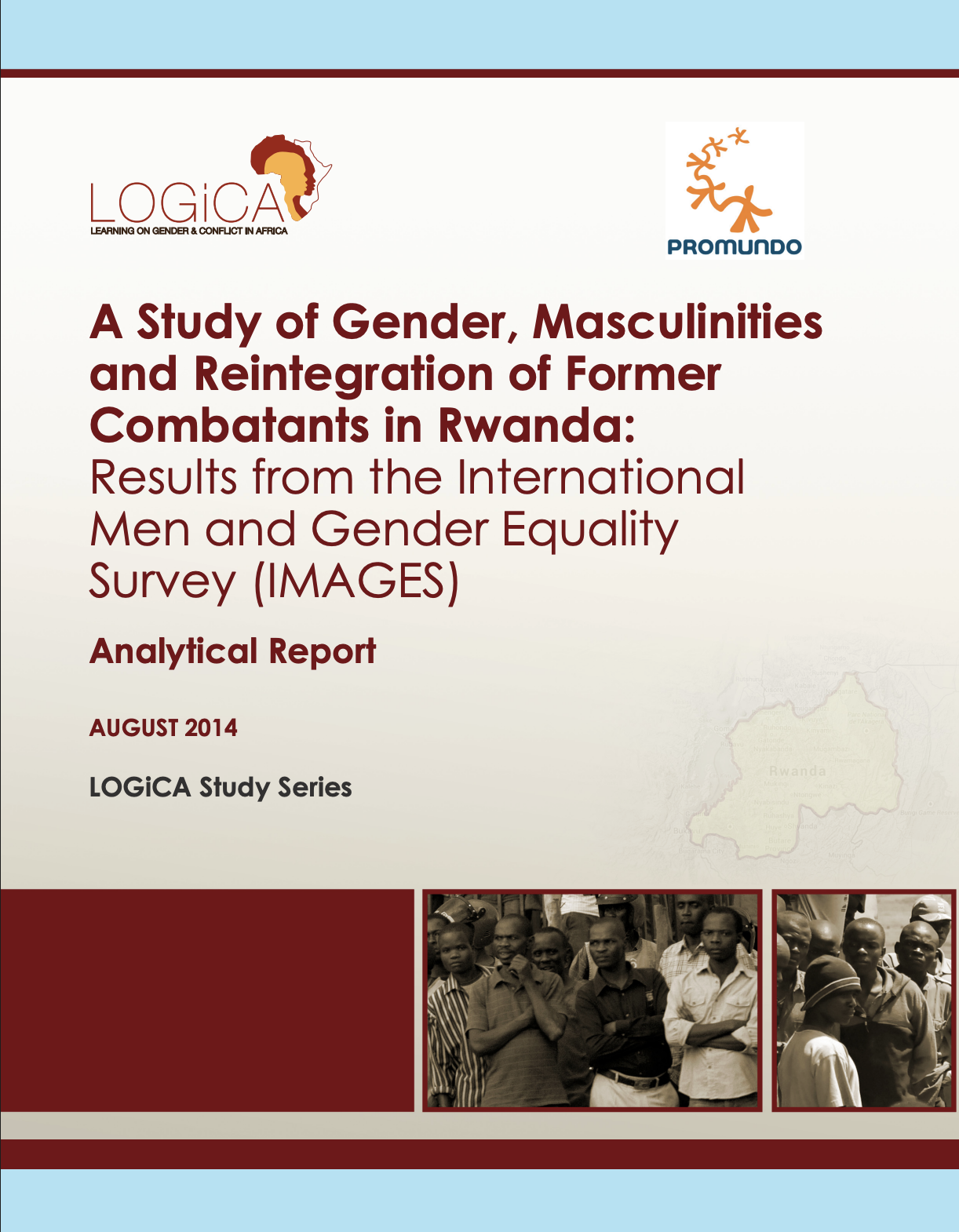
LPI works to inform and sensitize local communities, national and international policy makers on integrating MHPSS programs in conflict affected communities targetting men and boys next to women and girls to promote positive masculinity and enable peacebuilding.